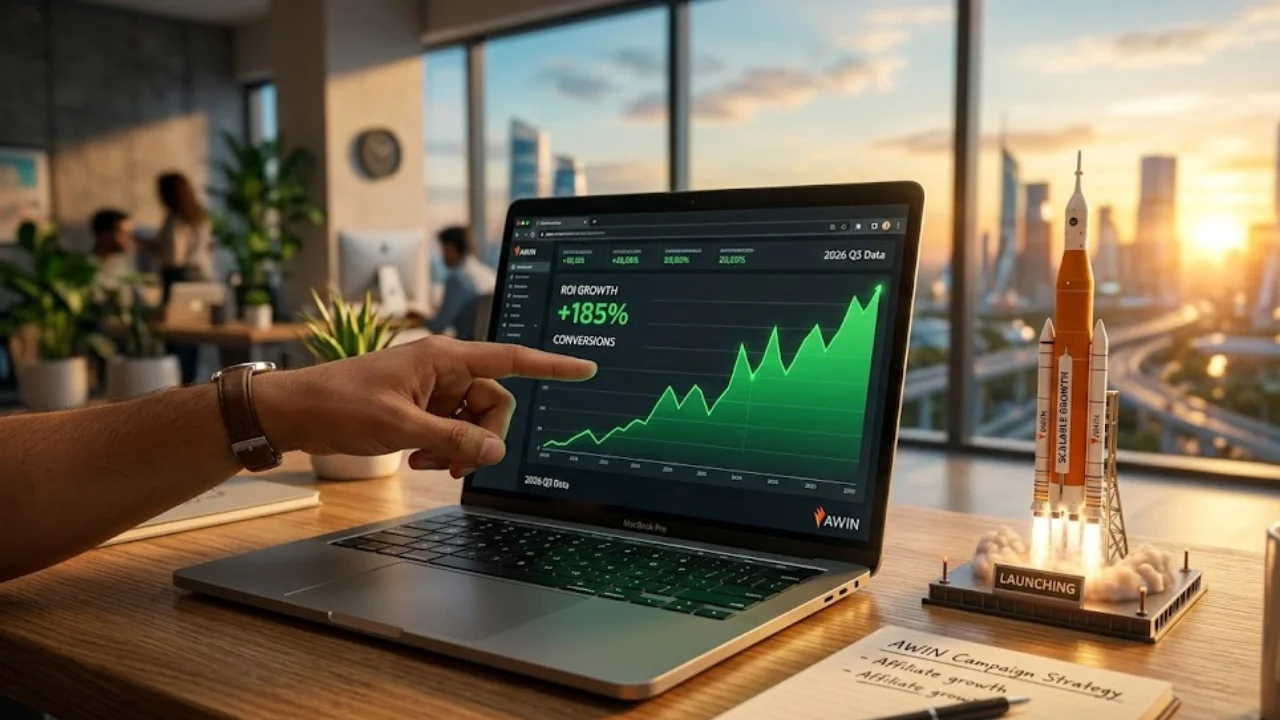
Quick Summary
Use these 7 Secret SEO Hacks to rank higher in 2026: 1. Optimize for Search Intent. 2. Build topical authority with cluster interlinking. 3. Pass Google's Core Web Vitals test. 4. Leverage schema markup for rich snippets. 5. Write for E-E-A-T. 6. Earn high-authority backlinks. 7. Refresh decaying content regularly.
Are you tired of staring at flatlining analytics charts at 2 AM, your eyes burning from the screen glare, wondering why your competitors are stealing all your leads? You pour your sweat, caffeine, and marketing budget into creating content, but Google completely ignores it. It feels like shouting into an empty canyon, right?
Welcome to the modern SEO battlefield. Getting to the top page isn’t about awkwardly stuffing keywords into a paragraph anymore; it’s about proving your Expertise, Authoritativeness, and Trustworthiness (E-E-A-T). At ProvisionAD Media LLP, we’ve cracked the secret SEO hacks to organic growth. We’ve seen the sting of lost clients, and we know exactly how to turn that around using data-driven, aggressive optimization.
Here is our battle-tested, crystal-clear blueprint to transform your website from a ghost town into a client-generating magnet in 2026.
Quick Summary: Key Takeaways to Win the Featured Snippet
- Search Intent is King: Match your content format to exactly what the user is actually looking for (informational vs. transactional).
- The Spiderweb Strategy: Interlink your posts aggressively to trap link juice and keep users on your site longer.
- E-E-A-T Matters More Than Ever: Real authors, sensory language, and original data win against AI-generated fluff.
- Technical Health is Non-Negotiable: Lightning-fast load times and flawless mobile optimization are the baseline for ranking.
- Schema Markup: Use Review Schema and FAQ Schema to dominate the SERPs with rich snippets.
Hack #1: Master Search Intent (Stop Guessing, Start Answering)
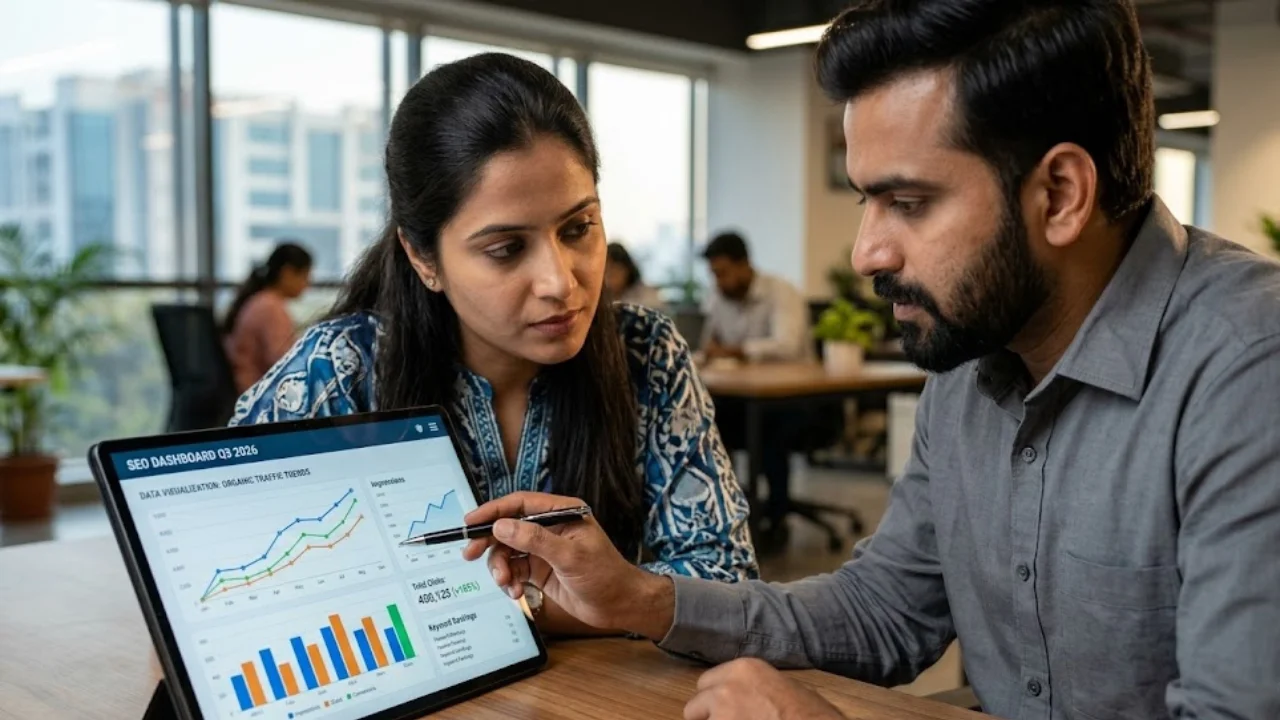
The biggest mistake digital marketing agencies make is targeting a high-volume keyword without understanding why the user is searching for it. If a user searches for “best CRM software,” they don’t want a 3,000-word history of how CRMs were invented. They want a quick, easily scannable comparison list.
Google’s algorithm is incredibly sophisticated at measuring user satisfaction. If someone clicks your link and bounces back to the search results in three seconds (known as Pogo-Sticking), Google takes it as a massive negative signal.
How to fix this: Before writing a single word, Google your target keyword. Look at the top 5 results. Are they listicles? How-to guides? Product pages? Video tutorials? Mirror that format. If the top-ranking pages are all ultimate guides, you need to write a better, more comprehensive ultimate guide. If they are quick tools, you need to build a tool. Give the searcher exactly what they are hungry for.
Hack #2: Build a “Spiderweb” of Interlinks (The Link Juice Trap)
One of the most ignored, yet highly potent, SEO tactics is aggressive internal linking. Imagine your website as a giant, intricate spiderweb. When Google’s crawlers land on your homepage, they need clear, sticky threads to find your deeper content. If a page has no internal links pointing to it, it’s an “orphan page,” and it’s practically invisible to search engines.
But it’s not just for bots; it’s for humans. You want to trap your visitors in a loop of valuable information so they never leave your ecosystem.
For instance, if you are reading this SEO guide, you absolutely must align your organic efforts with your paid campaigns. You cannot rely on just one traffic source. Check out our comprehensive guide on the Ultimate Performance Marketing Strategy to see exactly how organic SEO and paid media work together to scale your brand fast and maximize ROI. See how natural that was? You need to guide your readers to the next logical step.
Hack #3: Leverage “Click Magnet” Titles & Curiosity Gaps
If your title is boring, nobody clicks. If nobody clicks, your rankings will plummet, regardless of how good the content inside is. CTR (Click-Through Rate) is a massive ranking factor. You need to trigger an emotional response—curiosity, fear of missing out (FOMO), or the promise of a quick solution.
Instead of a generic title like “SEO Tips for 2026,” use a Click Magnet like “7 SEO Mistakes That Are Burning Your Marketing Budget.”
Pro Tip for SERP Dominance: Combine your Click Magnet titles with Review Schema Markup. By adding structured data to your pages, you can get those shiny 5-star ratings to appear directly beneath your link in the search results. A compelling title plus a 5-star rating visually dominates the page and steals clicks from the competitors ranking above you.
Hack #4: Prove Your E-E-A-T (Expertise, Experience, Authoritativeness, Trust)
We live in an era where AI can generate 2,000 words of generic text in ten seconds. Google knows this. To stand out, your content must feel undeniably human.
Google’s Quality Rater Guidelines heavily emphasize E-E-A-T. They want to know that a real expert with real-world experience wrote the article.
- Experience: Use sensory language. Share raw, behind-the-scenes data from your agency. Talk about a time a campaign completely failed and how you fixed it.
- Expertise: Use industry-specific terminology correctly, but explain it simply.
- Authoritativeness: Make sure you have clear author bios (like our ProvisionAD Team profiles) that link to your social media and professional credentials.
- Trustworthiness: Secure your site with HTTPS, provide clear contact information, and cite your sources.
Hack #5: Technical SEO and Core Web Vitals
You can have the best content in the world, but if your website takes 8 seconds to load, you are dead in the water. Google uses Core Web Vitals as a direct ranking signal.
You need to optimize for:
- Largest Contentful Paint (LCP): Your main hero image or text block must load in under 2.5 seconds. Use Next-Gen image formats like WebP (which we highly recommend and use across our sites).
- Interaction to Next Paint (INP): When a user clicks a button or a link, the site must respond instantly.
- Cumulative Layout Shift (CLS): Your page shouldn’t jump around as images load. Set strict width and height attributes for all media.
If you haven’t run your site through Google PageSpeed Insights recently, do it today. Fixing technical bottlenecks is the fastest way to see an immediate bump in rankings.
Hack #6: Trust the Data & Earn External Validation
Don’t just make wild claims; back them up with heavy-hitting external sources. When you link out to highly authoritative domains, Google sees you as a well-researched, trustworthy hub of information. It shows you are part of the broader internet ecosystem, not just an isolated island.
Always keep an eye on Google’s official Search Central guidelines to ensure your link-building and content strategies aren’t violating any core updates. Earning backlinks from high-DR (Domain Rating) sites in your niche acts as a “vote of confidence” in the eyes of the algorithm. Focus on creating linkable assets—like original research, infographics, or free tools—that other bloggers naturally want to reference.
Hack #7: The Content Refresh Strategy (Fixing Content Decay)
Content isn’t a “set it and forget it” game. A blog post that ranked #1 in 2024 might drop to page 3 by 2026 because competitors published newer, better information. This is called Content Decay.
Instead of constantly churning out new articles, perform a content audit every six months. Find posts that are ranking on the bottom of page 1 or the top of page 2.
- Update the statistics.
- Add a new “2026 Strategy” section.
- Inject new keywords you found in Google Search Console.
- Change the published date to the current date.
Google loves fresh content. A simple 30-minute refresh can often catapult an old article back to the top 3 spots.
Frequently Asked Questions (SEO in 2026)
Q: How long does it take to see SEO results?
A: SEO is a marathon, not a sprint. Typically, for a brand new website, it takes 3 to 6 months to start seeing meaningful traction, and 6 to 12 months for significant ROI. However, fixing technical errors or updating old content can yield results in weeks.
Q: Are backlinks still important?
A: Absolutely. While Google is getting better at understanding content without links, high-quality, relevant backlinks remain one of the top 3 ranking factors. It’s about quality over quantity now.
Q: Should I use AI to write my blog posts?
A: AI is a fantastic brainstorming and outlining tool, but publishing raw, unedited AI content is a recipe for disaster. You must inject human experience, original thoughts, and brand voice (your E-E-A-T) into the content before publishing.
Over to You: What’s Your Biggest SEO Struggle?
Implementing these 7 hacks isn’t an overnight magic trick, but the compounding ROI for your business will be massive. The agencies and brands that adapt to these modern SEO realities will dominate the search results, while the rest fight over the scraps.
Which of these 7 hacks are you going to implement first? Are you going to focus on your Core Web Vitals, or are you going to build a tighter internal spiderweb?